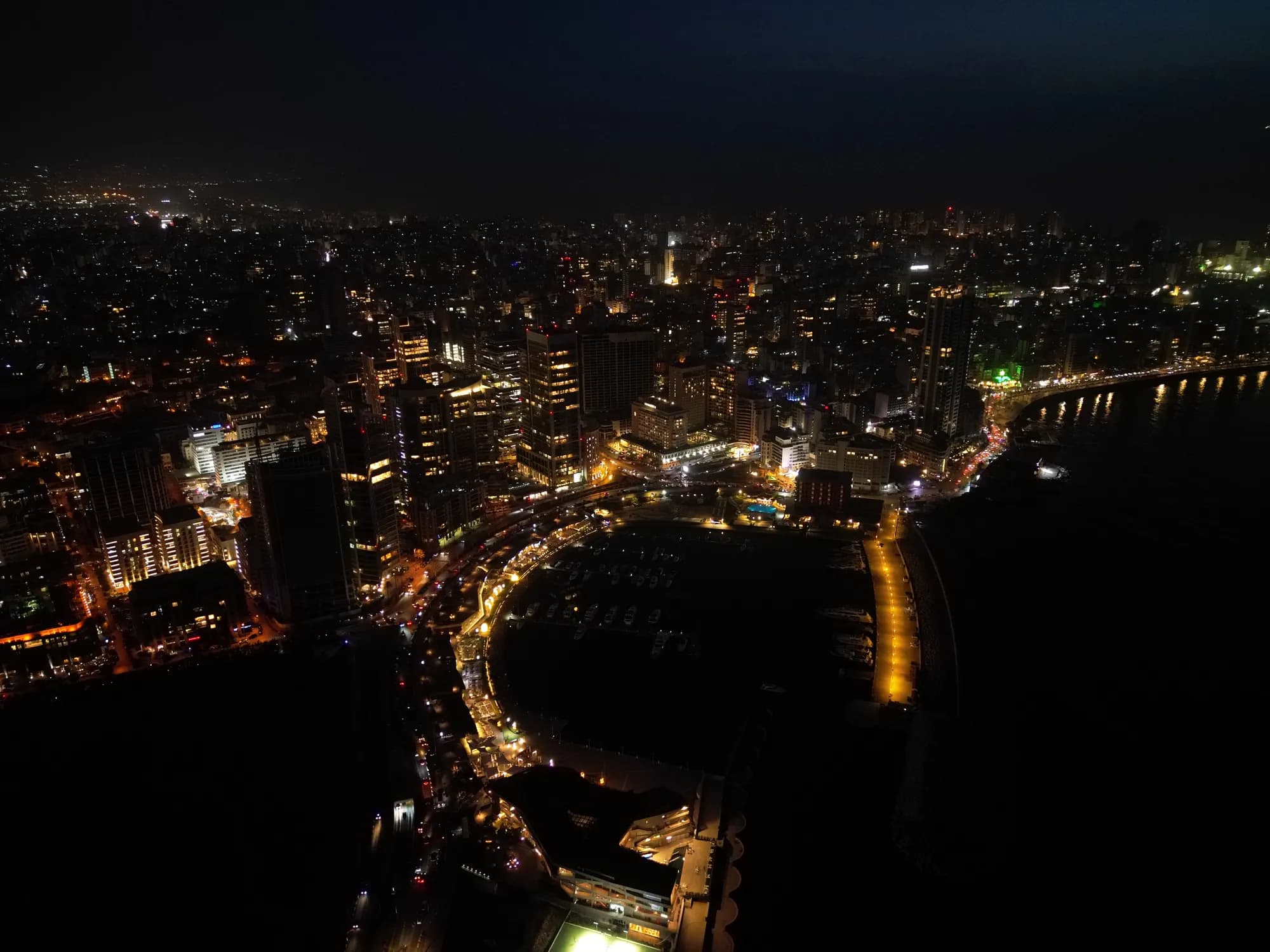
Product photography in Beirut is mostly a question of consistency rather than artistry. A catalogue works when every item sits on the same background, at the same scale, lit the same way, so a customer can compare two products without the photographs getting in the way. The single most expensive mistake is shooting a range across several sessions without writing down how the first one was lit.
Treated properly, product photography in Beirut is a system rather than a series of sessions. Good product work is therefore unglamorous and repeatable. That is the point: the photograph should disappear and leave the object.
What makes a product photograph sell?
Three things, in order: the object is legible, the colour is true, and the scale is obvious. Everything else is styling.
Legibility means the shape reads against the background with no confusing shadow merging edge into floor. True colour matters more than people expect, because a returned item is expensive and colour is the most common reason for one. Scale is the quiet failure: a photograph of a ceramic bowl on a plain background could be any size at all unless something in the frame or the listing says otherwise.
Technical quality is not a matter of taste here either. Google states that high-quality photos appeal to users more than blurry, unclear images, that sharp images look better as search thumbnails, and that extreme aspect ratios should be avoided. For a shop listing, those are commercial constraints rather than aesthetic advice.
How many images does each product need?
A practical minimum is four: the product straight on against the standard background, a three-quarter view showing depth, a detail of the material or finish, and one image giving scale or context in use. Anything with a mechanism or an interior needs a fifth showing it open.
Beyond that, extra frames have diminishing value and a real cost. Google’s web.dev guidance spells out the arithmetic: a 100 by 100 CSS-pixel image is about 40,000 bytes uncompressed at 1x, 160,000 at 2x and 360,000 at 3x, and images are often a page’s largest component. Fifteen images per product across a hundred-product catalogue is a performance problem, not a thoroughness badge.
Decide the set before the shoot and apply it to every item. A catalogue where some products have six images and others have two looks neglected even when every individual photograph is good.
Why does the background matter so much?
A consistent background is what lets a customer scan a grid. Pure white is the default for marketplaces because it disappears, but it is not automatically right: a white ceramic cup on white needs careful edge lighting or it dissolves.
The real decision is whether the range is shot on white, on a mid grey, or in a styled set. Mixing them within one catalogue is what looks amateur. If the brand needs both, shoot both for every product rather than some on each.
Format choice supports this. web.dev recommends WebP or AVIF where possible because they generally provide better compression than older formats, with JPEG or PNG as a fallback, and notes PNG applies no lossy compression beyond limiting the palette, giving the highest quality at a significantly larger file size. For flat-background product shots with hard edges, that trade-off is worth testing rather than assuming.
Shadow is the other half of the background decision, and it is usually unplanned. A product floating with no shadow at all looks cut out and weightless; a hard shadow fixes the object to a surface but implies a direction of light that then has to be consistent across the whole range. Pick one treatment, write it down, and apply it to every item including the ones photographed months later.
Reflective and transparent goods break these rules and need their own approach. Glass is lit through a diffused panel from behind rather than from the front, and polished metal reflects whatever is in the room, which means the photographer is effectively arranging the surroundings rather than the light. Both take several times longer per item than a matte product, and a schedule that treats them the same will overrun.
How should product images be prepared for a shop listing?
Exports, names and descriptions all matter, and all are usually left to the end when attention is lowest.
Google advises short, descriptive filenames and warns specifically against generic filenames like image1.jpg, pic.gif or 1.jpg. It calls alt text the most important attribute for describing an image while cautioning against stuffing it with keywords, and it notes that it does not index CSS background images, so a product shot used as a decorative page background is invisible.
Structured description helps too. Schema.org’s ImageObject expects contentUrl, caption, width, height, encodingFormat and representativeOfPage. Marking the one representative image per product is a small act with an outsized effect on how a listing previews elsewhere.
Planning product photography in Beirut around a studio session
Studio time is the controllable part of this work, which is exactly why it should be booked around the awkward items rather than the easy ones. Reflective metal, clear glass and anything black absorb the most time, so they go first while everyone is fresh and the light is being built.
Bring more of each product than you think. A second unit covers a scratch discovered under the lights, and for anything with variants the full colour range should arrive together so they are shot under identical conditions. Returning a week later for one missed colour means rebuilding the lighting from notes.
Those notes are the deliverable people forget to ask for. A lighting diagram and the camera settings for the standard setup are what make next season’s additions match this season’s catalogue.
If images are also destined for a business listing, the limits are published: Google accepts JPG or PNG between 10 KB and 5 MB, recommended at 720 px by 720 px, and asks for photos in focus and well lit with no excessive filters.
Sessions run at our Dekwaneh studio, with the broader stills offer on the photography service page and moving coverage under videography. The controlled-light reasoning is set out in studio or on location, short-form commerce clips relate to our social media ads work, and interiors shot to a similar discipline appear in the real estate portfolio. The full range is on the services overview, other categories in the portfolio, background on the about page, and you can tell us what the range is to get started.
Frequently asked questions
How many products can be shot in a day?
For simple items on a standard setup, several dozen is realistic once the lighting is built. For reflective, transparent or styled items it can fall to a handful. The build is the slow part, so a day of similar products is far more productive than a day of varied ones.
Do products need to be shot on pure white?
Only if the marketplace requires it, and some do. Otherwise the requirement is consistency rather than whiteness. A mid-grey or tonal background often suits a brand better and still lets customers compare items side by side.
What is needed for product photography in Beirut to match an existing catalogue?
The original lighting notes, the same background material and ideally one product from the original shoot to match against. Without a reference item, matching is guesswork and the new images will sit visibly apart from the old ones in a grid.
Should products be retouched?
Dust, sensor marks and stray threads should be removed, because they are artefacts rather than features. Reshaping the product, changing its colour or removing a genuine flaw is a different matter and invites returns. Agree where that line sits before the edit begins.