A yacht photoshoot in Lebanon is governed by two things nobody controls: the sea state and the hour. Everything else, the styling, the crew, the equipment, is arranged around those. A boat that looks magnificent at six in the evening in flat water is a very different subject at noon in a two-foot chop, and no amount of retouching closes that gap.
Booking a yacht photoshoot in Lebanon therefore starts with the tide and the forecast rather than the diary. This is why sea shoots are booked as windows rather than appointments, and why the best ones have a second date written into the plan from the start.
What makes shooting on water different from shooting on land?
Three things change at once. The platform moves, the light comes from two directions because the sea reflects it, and nothing can be retrieved if it goes over the side. Each has a practical consequence.
A moving deck removes the slow shutter speeds you would use on land, so the shoot leans on faster exposures and therefore on more light or higher sensitivity. Reflected light fills shadows from below, which is flattering for portraits and punishing for anything with a glossy white hull, because the same reflection blows out the topsides.
The loss risk is the one people underestimate. Lens caps, filters and memory cards are routinely lost to the water, so a working crew carries duplicates of the small items and tethers the rest. It is also why card management matters more at sea: there is no returning tomorrow to reshoot a card that failed.
Whatever the conditions, the images still have to survive publication. Google’s advice is blunt about this: it says high-quality photos appeal to users more than blurry, unclear images, and that sharp images look better as search thumbnails. A marginally soft frame from a rolling deck does not survive that test.
When is the light right at sea?
The usable window is the hour or so after sunrise and before sunset, and at sea it is shorter than on land because there is no terrain to soften the transition. Once the sun is down over open water, the light falls away quickly.
Those times are predictable rather than guessable. NOAA’s solar calculator documentation explains that its calculations are based on equations from Astronomical Algorithms by Jean Meeus, that sunrise and sunset assume 0.833 degrees of atmospheric refraction, and that results are theoretically accurate to within a minute for locations between plus and minus 72 degrees latitude. Worth noting honestly: NOAA also states the calculator is no longer actively maintained and cannot be certified or authenticated, so treat any computed time as a planning figure and be on the water early.
Midday is not worthless, but it is a different shoot. Overhead sun gives hard shadows under the brow and eye sockets, which suits graphic hull-and-sky compositions and does not suit portraits. If the brief is people on deck, the schedule should bend to the light rather than the reverse.
How does a moving boat change the technical approach?
Shooting from a second vessel is the standard approach for exteriors, and it introduces a second set of movements. The two boats roll independently, so the relationship between camera and subject changes continuously and the keeper rate falls. Shooting more frames is the normal response, which is why sea shoots generate large volumes.
That volume has consequences at delivery. Google’s web.dev guidance notes that doubling resolution quadruples the pixel count, and recommends WebP or AVIF where possible because they generally provide better compression than older formats, with JPEG or PNG as a fallback. For a gallery of several hundred sea frames, that choice is the difference between a page that loads and one that does not.
Stabilisation deserves a mention too. Optical stabilisation helps with the boat’s motion but cannot fix subject movement, so it is a partial solution. Shutter speed remains the real control.
What should be prepared on board before the shoot?
Most of the preparation is not photographic. Fenders and mooring lines should be stowed rather than hanging, because nothing dates a yacht photograph faster than a fender swinging against the hull. Towels, bags, shoes and drinks need a home below deck. Decks should be dry where people will stand.
Agree in advance who is responsible for the boat looking the way it should. A photographer coiling ropes is a photographer not shooting during the only good hour of the day.
If the images are headed for a business listing, check the destination’s limits before exporting. A Google Business Profile accepts JPG or PNG between 10 KB and 5 MB, recommended at 720 px by 720 px, with video up to 30 seconds and 75 MB at 720p or higher. Charter companies regularly discover this after the shoot rather than before.
Planning a yacht photoshoot in Lebanon
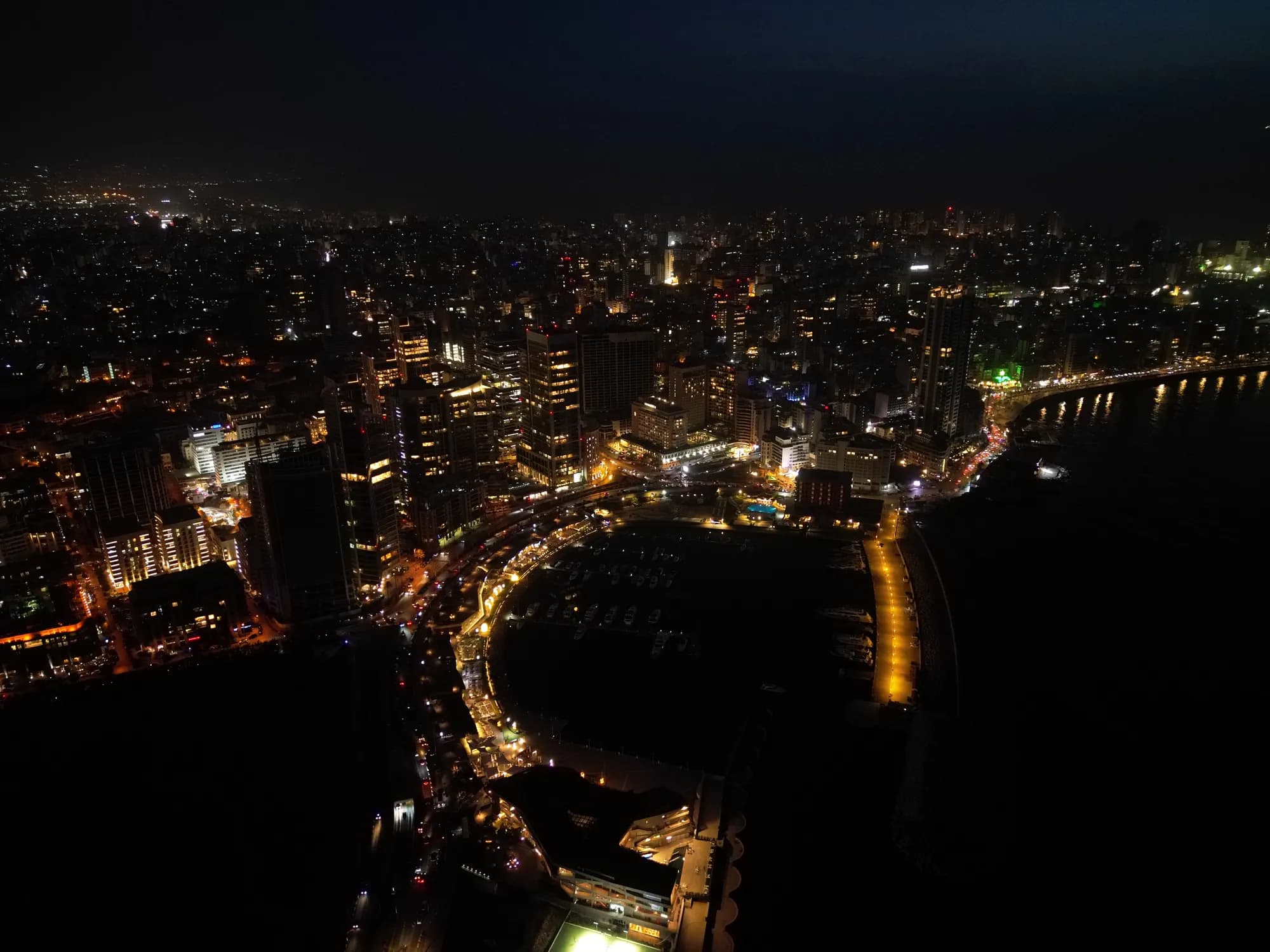
The coast gives you two genuinely different backdrops within a short run: the built marina and city frontage, and open water with the mountains behind. They photograph nothing alike, and a shoot that tries to get both in one golden hour usually gets neither properly.
Decide which one the brief needs. A charter listing wants the boat legible and the setting aspirational, which argues for open water and a clean horizon. A brand or editorial shoot often wants the marina, because the context tells the story.
Build in a weather call. Agreeing a decision point the evening before, with an agreed alternative date, costs nothing and prevents the far more expensive outcome of shooting in conditions everyone knew were wrong. Aerial coverage follows the same logic, and the conditions that make it viable are set out in shooting the Beirut coast by drone.
Examples of this work sit in the yacht and sea portfolio, with the stills side described on the photography service page and moving coverage under videography. Controlled portrait work before or after a sea day is covered in studio or on location and at our Dekwaneh studio. The wider range is on the services overview, other categories in the portfolio, background on the about page, and you can tell us the boat and the date to start.
However the set is used afterwards, describe it properly. Schema.org’s ImageObject type expects contentUrl, caption, width, height, encodingFormat and representativeOfPage, the last marking the single image that stands for a page. For a charter listing, choosing that representative frame deliberately matters more than any other publishing decision.
Frequently asked questions
How long does a yacht photoshoot in Lebanon take?
Plan for a half day on the water to capture one good light window properly, including transit to and from the shooting position. The photography itself may occupy only ninety minutes of that. Trying to cover both sunrise and sunset in one booking means a very long day for the crew and the boat.
Do we need a second boat?
For exterior shots of the yacht under way, yes, or a drone. There is no way to photograph the outside of a vessel from its own deck. For lifestyle images of people on board, a second boat is unnecessary and adds cost.
What happens if the weather turns?
This should be answered in the booking, not on the day. Agree who makes the call, by when, and what the rescheduling terms are. Sea conditions are the most common reason a shoot moves, and a plan agreed in advance keeps it from becoming a dispute.
Can the shoot run with guests on board?
It can, and for lifestyle work it should. What matters is that everyone knows they are being photographed and that someone other than the photographer is managing the guests. A shoot that doubles as a party produces neither good photographs nor a relaxed afternoon.